Our children's digital lives are colliding with their physical ones, yet they have zero formal training to navigate it. Behind every screen is a child who could be the next one targeted.
Figures on this page are drawn from child-safety and cybersecurity research and are presented for awareness. *https://ncmec.org/gethelpnow/cybertipline/cybertiplinedata See other sources below.

 Supporters

This isn't hype or fake news. It's the world our kids log into every day, a landscape that can include identity theft, blackmail, and even human trafficking.
Predators don't break in, they're invited one notification at a time. These are the everyday gateways they exploit to reach a child.
Predators pose as peers, build trust through games and DMs, and slowly isolate a child from the adults who protect them.
Half of minors talk to strangers onlineKids routinely stumble onto violent, sexual, or extremist material, often pushed to them by algorithms built to maximize attention.
Exposure starts younger every yearSynthetic images, voices, and videos make lies look real. Children can't tell what's genuine, leaving them open to manipulation and extortion.
72% can't tell real from AI mediaApps quietly collect personal, biometric, and behavioral data on children, building profiles that are sold, exploited, or used to impersonate them.
66% of apps track kids for profit"Free" gaming rewards and skins are lures, designed to steal a child's information or slip malware onto the family's devices.
Game rewards used as a hookDisappearing messages, anonymous chat, and live location sharing give predators cover, and give parents almost no visibility.
Designed to vanish without a traceWhat begins as a friendly hello can move quickly and deliberately. Predators follow a pattern, and at every step, an aware adult can break the chain.
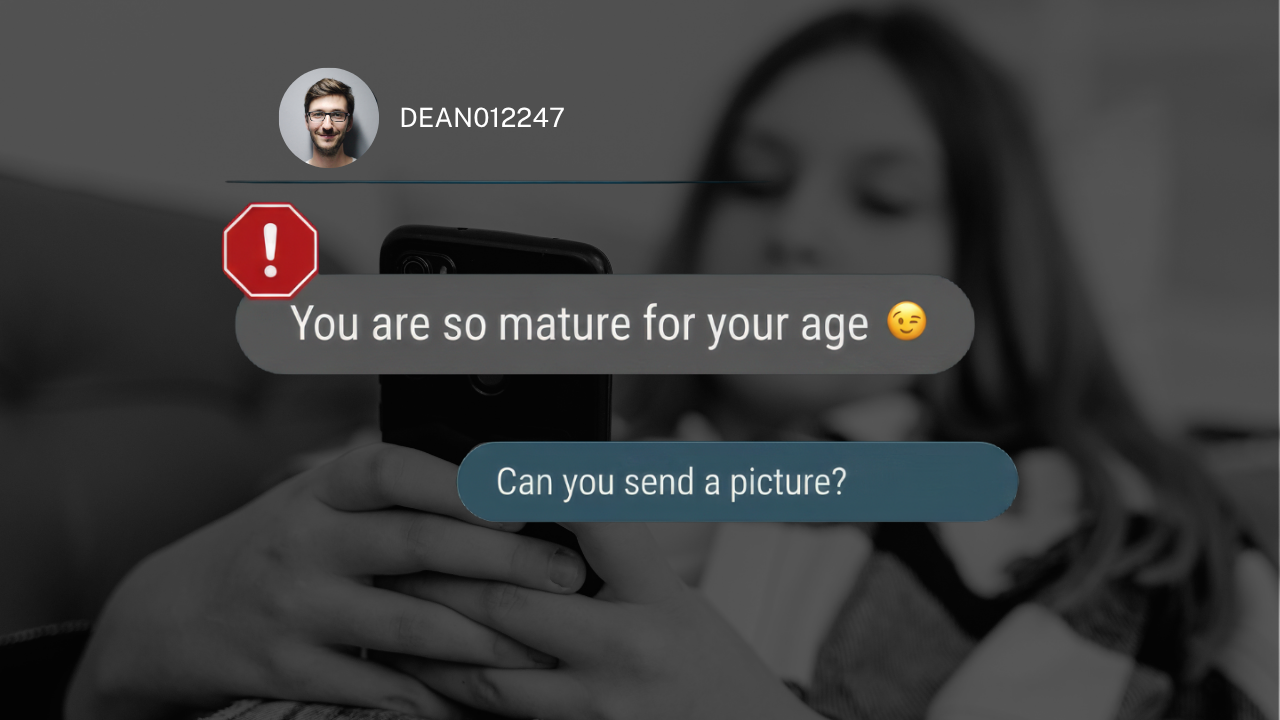
A stranger appears as a friend in a game, comment section, or DM.
Trust is built and the child is slowly isolated from parents and friends.
A shared photo or secret becomes leverage to coerce and control.
Coercion can escalate to extortion, abuse, and even trafficking.

You don't have to be a cybersecurity expert. The strongest protection a child has is an adult who's paying attention and willing to start the conversation.
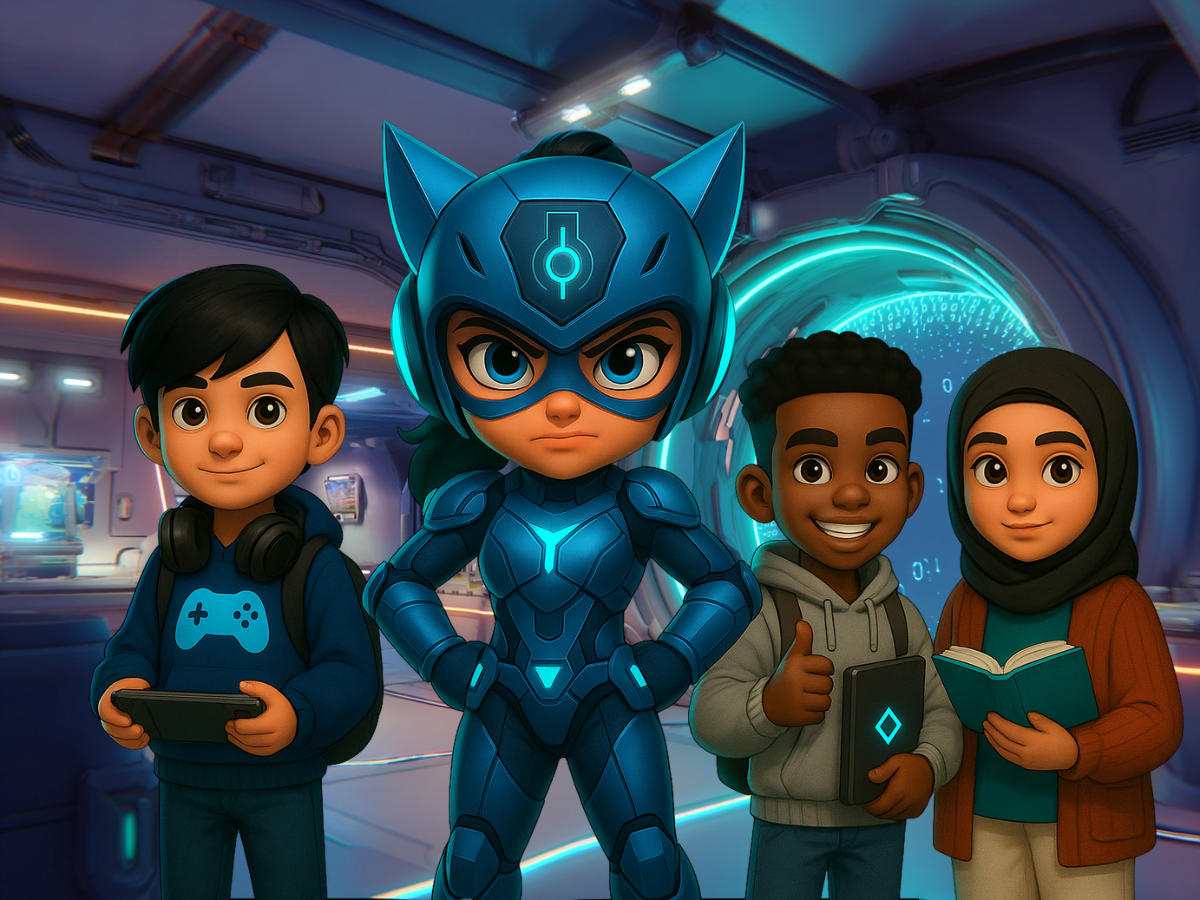
MASK NextGen is an AI-driven, gamified digital-safety platform. Through a guardian character named Myra, kids aged 8 to 18 learn to recognize threats, set boundaries, and protect themselves online in about 10 minutes a day.
Join parents and educators getting early access to MASK NEXTGEN, community and school resources, plus a free guide to spotting online predators.